Clinic locations

Dental prophylaxis
Essential protection for long-term dental health

What is dental prophylaxis?
Dental prophylaxis is the set of preventive measures and treatments designed to ensure optimal oral health and prevent the occurrence of dental and periodontal diseases. In essence, dental prophylaxis has as its main purpose the prevention of the formation of bacterial plaque, tartar, dental caries and gum disease, as well as the identification and treatment of dental problems in their early stages. This is one of the most important branches of modern dentistry, being essential for maintaining healthy teeth and gums in the long term.
Dental prophylaxis refers to measures applied both professionally, in the dental office, and personally, through proper oral hygiene at home. In both cases, the goal is the same: maintaining a healthy oral cavity and preventing the need for invasive or expensive treatments in the future.
What does dental prophylaxis do?
Dental prophylaxis includes several preventive procedures and measures, such as:
- 1. Professional cleaning: This involves a complete cleaning of the teeth in the dental office, carried out by a dentist or dental hygienist. The procedure includes removing plaque and tartar from the teeth and below the gum line, polishing the teeth, and applying preventive treatments such as fluoridation.
- 2. Regular dental exams: Regular dental checkups are essential for identifying dental problems at an early stage, before they become serious. The dentist can detect hidden cavities, gum inflammation, or other problems that may go unnoticed without a thorough checkup.
- 3. Oral hygiene instructions: Educating the patient about proper techniques for brushing teeth, flossing, and other oral care methods at home is a crucial aspect of dental prophylaxis. Poor oral hygiene can lead to the accumulation of bacterial plaque, which is responsible for most dental problems.
- 4. Preventive treatments: The application of fluoride and dental sealants is an important component of prophylaxis. Fluoride helps to remineralize enamel and prevent cavities, while dental sealants protect the occlusal surfaces of teeth, where cavities tend to form most often, especially in children.
- 5. Nutritional advice: Dental prophylaxis is not limited to procedures and treatments applied to the oral cavity. A balanced diet, low in sugars and rich in essential nutrients, plays a vital role in maintaining oral health. Dentists can provide valuable advice on foods that contribute to healthy teeth and gums.
Causes and symptoms that require preventive interventions
The main causes of dental problems that can be prevented by good prophylaxis are:
- 1. Plaque buildup: Plaque is a sticky layer made of bacteria and food debris that accumulates on the surface of teeth. If not removed regularly by brushing and flossing, plaque can lead to cavities and periodontal disease. Plaque begins to form just a few minutes after brushing, which makes daily care essential.
- 2. Dental tartar: Tartar, also known as dental calculus, is plaque that has mineralized on the surface of teeth. Tartar cannot be removed by regular brushing, and professional cleaning is required to remove it. Tartar promotes the development of gingivitis and other periodontal diseases.
- 3. Diet rich in sugars and refined carbohydrates: Foods rich in sugars and refined carbohydrates promote the growth of cariogenic bacteria in the oral cavity. These bacteria produce acids that attack tooth enamel, leading to the formation of tooth decay.
- 4. Poor oral hygiene: Incorrect or incomplete brushing, lack of flossing and antibacterial mouthwash, and irregular visits to the dentist contribute to the accumulation of bacterial plaque and the development of dental problems. Personal prophylaxis, combined with professional hygiene, is the key to preventing dental diseases.
- 5. Hereditary and genetic factors: Some patients are more prone to certain dental problems due to genetics. For example, a genetic predisposition to weak tooth enamel or periodontal disease may make prophylaxis even more important in preventing major problems.
Symptoms that indicate the need for preventive intervention include:
- 1. Bad breath (halitosis): Bad breath can be a sign of plaque, tartar, or early gum disease. A professional cleaning can significantly improve this problem by eliminating the bacteria that cause unpleasant odors.
- 2. Bleeding gums: Gums that bleed when you brush or floss are an early sign of gingivitis—an inflammation of the gums caused by plaque. If gingivitis is left untreated, it can progress to periodontitis, a much more serious condition that leads to tooth loss and bone loss.
- 3. Tooth sensitivity: If you experience pain or discomfort when consuming hot, cold, sweet or acidic foods or drinks, this may indicate the presence of dental erosion, early cavities or gum recession. These problems can be prevented or treated effectively with preventive interventions.
- 4. Visible tartar deposits on the teeth: Visible tartar at the base of the teeth, especially on the inner surfaces of the lower front teeth, is a sign that a professional cleaning is needed. Once tartar has formed, brushing and flossing are not enough to remove it.
- 5. Gingivitis: Red, swollen or tender gums are a clear sign of gingivitis, caused by the accumulation of bacterial plaque or tartar. Without intervention, this inflammation can progress to periodontal disease, which leads to bone and tooth loss.
Diagnosis in dental prophylaxis
Diagnosis in prophylaxis begins with a thorough assessment of the patient's oral health by the dentist. This involves a clinical examination of the teeth and gums, as well as the use of dental imaging technologies, such as dental radiographs. Early diagnosis of dental problems allows for the application of appropriate prophylactic measures, thus preventing the need for more invasive treatments.
During the consultation, the doctor will analyze the following aspects:
- 1. Presence of plaque and tartar: The dentist can determine the degree of plaque and tartar buildup on the tooth surfaces and can recommend professional cleaning if necessary.
- 2. Gum health: The dentist will assess the health of the gums, checking whether they are inflamed, red, or bleeding. These signs indicate the presence of gingivitis or early periodontitis. Early diagnosis and treatment are essential to prevent the progression of gum disease.
- 3. Presence of cavities: Even in the early stages, cavities can be detected through a careful examination and, especially, with the help of x-rays. Small cavities can be treated quickly and effectively, thus preventing further damage to the tooth and the need for more complex treatments, such as fillings or root canals.
- 4. Tooth Sensitivity: Your dentist will investigate the causes of tooth sensitivity, such as enamel erosion, gum recession, or cavities. Once the cause is identified, your dentist can recommend preventative measures or treatments to reduce sensitivity and prevent further damage.
- 5. Tooth Wear: Bruxism (teeth grinding) can cause significant wear on tooth enamel and can lead to severe temporomandibular joint problems. Early diagnosis of this habit and the application of protective measures, such as nighttime aligners, are essential in prophylaxis.
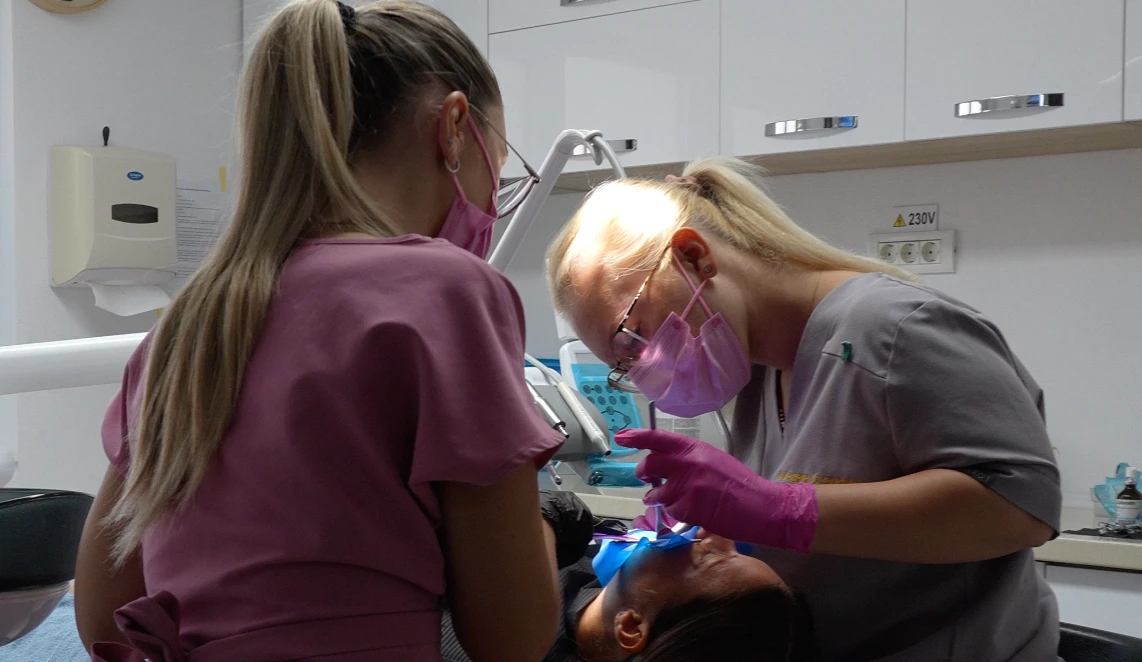
Treatment methods used in prophylaxis
Dental prophylaxis includes several preventive procedures and treatments, which are essential for maintaining oral health and preventing dental and gum diseases. Here are the main methods used in dental prophylaxis:
Professional hygiene
Professional hygiene, also known as professional scaling and brushing, is one of the most important preventive procedures performed in the dental office. This involves removing plaque and tartar that has accumulated on your teeth, especially in areas that are difficult to reach with regular brushing.
- ● Scaling: This procedure involves using manual or ultrasonic instruments to remove tartar from the surface of your teeth and below the gum line. Tartar is harder than plaque and cannot be removed by regular brushing. Scaling prevents gum disease and maintains overall oral health.
- ● Professional brushing: After scaling, a professional brushing is performed with special abrasive pastes that polish the teeth and remove superficial stains. Professional brushing helps to smooth the surface of the teeth, making them less susceptible to the accumulation of bacterial plaque.
- ● Airflow (air jet prophylaxis): It is a modern method of cleaning teeth, using a jet of air, water and sodium bicarbonate particles to remove stains and plaque from the tooth surface. This method is effective and gentle, being frequently used to clean hard-to-reach areas, such as interdental spaces.
Fluoridation
Fluoridation is a preventive treatment applied to strengthen tooth enamel and reduce the risk of cavities. Fluoride is a mineral that helps remineralize enamel, making it more resistant to acidic attacks by bacteria in the oral cavity. There are two main types of fluoridation:
- ● Professional fluoridation: This is done in the dental office, where the doctor applies fluoride gels, varnishes, or solutions directly to the surface of the teeth. The treatment is quick, painless, and provides additional protection against cavities for a long period of time.
- ● Home fluoridation: Your dentist may recommend toothpastes, mouthwashes, or gels with a high fluoride content, which can be used at home as part of your daily oral hygiene routine.
Application of dental sealants
Dental sealants are used to protect the occlusal surfaces of your teeth, especially your molars and premolars, where cavities are most likely to form. These sealants are applied to the grooves and pits of your teeth, preventing plaque from building up in areas that are hard to clean.
- ● Sealing is especially recommended for children and adolescents, as they are more prone to developing cavities on newly erupted permanent teeth. However, sealants can also be applied to adults, depending on the individual risk of cavities.
Patient education and training
Oral education is an essential pillar of dental prophylaxis. Good oral hygiene at home is essential for preventing dental problems, and dentists play a crucial role in educating patients on the correct techniques for caring for their teeth and gums.
- ● Correct brushing techniques: The dentist will instruct the patient on the use of a correct brushing technique, which includes all tooth surfaces and gums. Brushing twice a day is recommended, using a soft-bristled toothbrush and fluoride toothpaste.
- ● Flossing: Flossing is essential for removing plaque and food debris from interdental spaces, where a toothbrush cannot reach. Patients are educated on the correct way to floss to prevent gum disease.
- ● Mouthwash: Antibacterial mouthwash can help reduce the number of bacteria in the mouth and prevent plaque formation. It can also provide additional protection against cavities and help maintain fresh breath.
Diet and nutritional counseling
Diet plays a key role in maintaining oral health. Nutritional counseling is part of prevention, and dentists can provide advice on foods to avoid and foods to include in a healthy diet.
- ● Limit sugar intake: Sugar is the main culprit in the development of dental cavities. Patients are advised to limit their intake of foods and drinks high in sugar, especially between meals.
- ● Moderate consumption of acidic foods: Acidic drinks and fruit juices can erode tooth enamel, increasing the risk of cavities and tooth sensitivity. It is recommended to consume such drinks in moderate quantities and, preferably, during meals.
- ● Foods that are beneficial for teeth: Foods rich in calcium, phosphorus and vitamins, such as dairy products, green leafy vegetables and nuts, contribute to the health of teeth and gums. Drinking plain water is also essential to keep the oral cavity clean and hydrated.
Controlling Bruxism
Bruxism, or teeth grinding, can cause wear of tooth enamel, dental fractures and temporomandibular joint problems. For patients diagnosed with bruxism, the use of a night guard is recommended, which protects the teeth from abrasion.
- ● Correct brushing techniques: The dentist will instruct the patient on the use of a correct brushing technique, which includes all tooth surfaces and gums. Brushing twice a day is recommended, using a soft-bristled toothbrush and fluoride toothpaste.
- ● Flossing: Flossing is essential for removing bacterial plaque and food debris from interdental spaces, where the toothbrush cannot reach. Patients are educated on the correct way to floss to prevent gum disease.
- ● Mouthwash use: Antibacterial mouthwash can help reduce the number of bacteria in the mouth and prevent plaque formation. It can also provide additional protection against cavities and help maintain fresh breath.
Regular visits to the dentist
Regular visits to the dentist are essential for preventing dental problems. Routine dental consultations, carried out at least twice a year, allow for the identification of problems at an early stage and the application of the necessary preventive measures. In the case of patients at high risk of cavities or periodontal disease, visits may be recommended more frequently, even every 3-4 months, to ensure adequate monitoring and effective prevention.
Dental prophylaxis is the foundation of long-term oral health. By taking appropriate preventive measures, patients can prevent cavities, periodontal disease, and other dental problems that require invasive treatment. Good oral hygiene at home, combined with regular visits to the dentist, helps maintain healthy teeth and gums, as well as avoid costly interventions.
Patient education, professional hygiene, fluoridation, application of dental sealants, and nutritional counseling are essential components of dental prophylaxis. Also, managing habits such as bruxism and avoiding foods that promote cavities are important measures to protect teeth.
In conclusion, by adopting a regular preventive program, patients can benefit from optimal oral health, having healthy teeth and gums throughout their lives. Prevention is always easier and less expensive than treating conditions that have already appeared, and dental prophylaxis is essential to prevent the need for complex interventions in the future.
To take care of your teeth and gums health, schedule your regular visits to your dentist, and make sure that you follow the care advice recommended by your medical team.
Frequently asked questions
-
What is dental prophylaxis and why is it important?
Dental prophylaxis is a set of preventive measures that help maintain dental health and prevent cavities and periodontal diseases. It is important because it reduces the risk of dental diseases and helps avoid expensive or invasive treatments.
-
How often should I have a professional dental cleaning?
It is recommended to have a professional cleaning every 6 months to prevent the accumulation of tartar and plaque. In the case of patients at high risk of periodontal disease, the doctor may recommend more frequent visits.
-
What are the main procedures included in dental prophylaxis?
Dental prophylaxis includes professional hygiene (scaling and brushing), fluoridation, application of dental sealants, patient education for proper oral hygiene and nutritional counseling for a healthy diet.
-
How do dental sealants help prevent cavities?
Dental sealants are a protection applied to the occlusal surface of the teeth, especially molars and premolars, to prevent the accumulation of bacterial plaque in deep grooves, where cavities tend to form more easily.
-
When is dental fluoridation recommended?
Dental fluoridation is recommended for both children and adults, especially for people at high risk of cavities. Fluoride strengthens tooth enamel and helps prevent cavities by remineralizing it.
-
What are the symptoms that indicate the need for a prophylactic consultation?
Symptoms such as Bad breath (halitosis), swollen or bleeding gums, tooth sensitivity and visible tartar deposits indicate that a prophylactic consultation is necessary to prevent dental problems.
-
What impact does diet have on dental health and how can prophylaxis help?
Excessive consumption of sugars and refined carbohydrates promotes the formation of dental cavities. Dental prophylaxis also includes nutritional counseling to encourage a balanced diet, which contributes to the health of teeth and gums.