Clinic locations

Prosthetics
Restoring Smiles and Dental Function

What is Prosthetics?
Prosthetics is the branch of dentistry that deals with the restoration and replacement of missing or damaged teeth, with the aim of restoring the patient's chewing function, dental aesthetics and speech. This involves the use of prosthetic works such as crowns, bridges, dentures or dental implants to restore patients' smiles and comfort in everyday life. Dental prosthetics plays an essential role in improving the quality of life, offering durable and effective solutions for those suffering from tooth loss due to various causes, such as trauma, advanced caries or periodontal disease.
In dental prosthetics, the emphasis is not only on restoring the functionality of the teeth, but also on restoring the aesthetic harmony of the smile. Each patient has specific needs, and prosthetic works are customized to fit perfectly into the oral cavity and mimic natural teeth as naturally as possible.
Dental prosthetics includes a wide range of procedures, including:
- ● Dental crowns: They are used to cover and protect damaged or weakened teeth.
- ● Dental bridges: They are used to replace one or more missing teeth, resting on adjacent natural teeth.
- ● Dental prostheses: They can be fixed or removable and are used to replace a complete or partial dental arch.
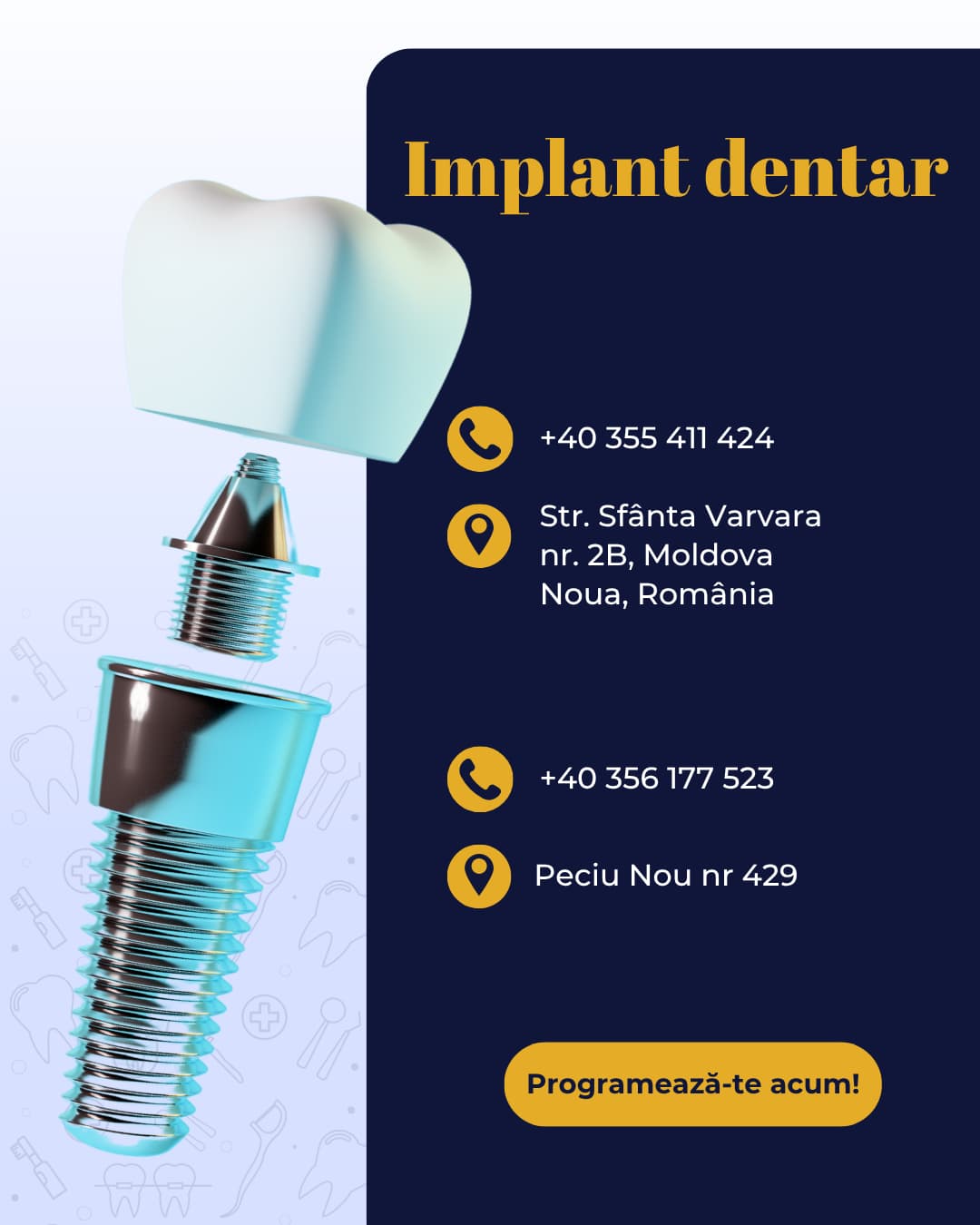
- ● Dental implants: They are artificial titanium roots inserted into the jawbone to support a crown, bridge, or denture.
Modern dental prosthetics uses advanced technologies such as computer-aided design (CAD) and 3D printing to create prosthetic works. personalized that perfectly match the needs of each patient.
What does dental prosthetics do?
Dental prosthetics deals with restoring lost or damaged teeth, as well as restoring the functions of chewing, speaking and aesthetics of the oral cavity. The goal of this branch of dentistry is to give patients back not only their smile, but also their self-confidence and overall oral health.
The main functions of dental prosthetics include:
- 1. Restoring masticatory functionality: Losing teeth can affect the ability to chew food properly, which can have a negative impact on digestion and overall health. Through prosthetic work, patients can return to a normal diet without discomfort.
- 2. Improving dental aesthetics: A smile plays a crucial role in social interactions and self-esteem. By restoring the aesthetics of teeth with the help of crowns, bridges or implants, dental prosthetics helps patients regain their confidence and improve their physical appearance.
- 3. Maintaining the health of tooth structure and bones: When a tooth is lost, the jaw bone around it begins to resorb, which can lead to a change in facial structure and dental alignment problems. Dentures and dental implants help prevent this process by maintaining bone health.
- 4. Correction of speech function: Tooth loss can affect speech, especially when teeth are lost in the frontal area. Prosthetic work helps restore correct diction and improve speech clarity.
Causes and symptoms that require dental prosthetic treatments
Dental prosthetics are indicated when teeth are missing or so damaged that conservative treatments, such as fillings or root canal treatments, are no longer sufficient. There are a number of causes and symptoms that indicate the need for prosthetic treatment.
- 1. Advanced dental caries: If dental caries has destroyed a significant part of the tooth, fillings are no longer sufficient to restore the function and structure of the tooth. In these situations, dental crowns are the ideal solution, as they protect and restore the tooth.
- 2. Tooth fractures: Fractured teeth, either due to an accident or due to wear and tear or excessive force applied during chewing, sometimes require prosthetic treatments. Dental crowns or bridges can be used to cover and protect fractured teeth.
- 3. Tooth loss: One of the most common reasons for prosthetic treatments is tooth loss. Teeth can be lost due to trauma, periodontal disease, or untreated caries. Tooth loss affects not only the function of the teeth, but also the functionality of mastication, but also the aesthetics and alignment of the other teeth.
- 4. Periodontal disease: Periodontitis is a condition that leads to the loss of the supporting tissues of the teeth (gums and bone). In advanced cases, the disease can lead to tooth loss, requiring prosthetic work to restore dental function.
- 5. Tooth wear: Over time, teeth can wear down due to mechanical factors (bruxism - teeth grinding) or chemical factors (excessive consumption of acidic foods and drinks). Excessive wear can make teeth sensitive and more prone to fractures, requiring treatment with crowns or dentures.
- 6. Dental trauma: Accidents involving blows to the face can lead to tooth loss or damage. In such cases, dental prosthetics offer restorative solutions to replace lost teeth or repair damaged ones.
Symptoms that may indicate the need for prosthetic treatments:
- 1. Missing teeth: Obviously, the clearest sign that you need prosthetic treatment is the absence of one or more teeth. Whether it is a front tooth or a back tooth, its absence can affect both the chewing function and the aesthetic appearance.
- 2. Tooth pain or sensitivity: When a tooth is severely damaged, the patient may experience pain or increased sensitivity when in contact with cold or hot foods. This discomfort may indicate the need for a dental crown to protect the tooth.
- 3. Chewing difficulties: Patients who have lost teeth or have severely damaged teeth may experience difficulty chewing, which can lead to incomplete eating or discomfort. Dental prosthetics can restore the proper functionality of the teeth, allowing the patient to enjoy normal eating again.
- 4. Changes in tooth alignment: When a tooth is lost, the adjacent teeth tend to migrate into the free space, affecting the overall alignment of the teeth. This can lead to occlusal (bite) problems and can cause wear on the remaining teeth.
- 5. Impaired speech: Tooth loss can affect the way the patient pronounces certain sounds, especially in the case of the loss of front teeth. This symptom can be resolved with the help of dentures or implants, which restore not only aesthetics, but also speech function.
- 6. Receding gums or bleeding gums: Periodontal disease can lead to receding gums and exposure of tooth roots, which can cause pain, sensitivity, and frequent bleeding. In severe cases, teeth become loose and may fall out, requiring dentures or implants.
- 7. Excessive tooth wear: Patients who suffer from bruxism (teeth grinding) or severe dental erosion may experience rapid tooth wear, making them vulnerable to fractures and sensitivity. These cases often require dental crowns to protect the teeth and restore functionality.
Treatment methods used in Dental Prosthetics
Depending on the specific needs of each patient, prosthetic treatments can range from simple works, such as dental crowns, to complex solutions, such as dental bridges or dentures on implants. Here is a detailed description of the main treatment methods used in dental prosthetics.
Dental crowns
Dental crowns are prosthetic works that completely cover a damaged or devitalized tooth, protecting it and restoring its functionality and aesthetics. They are used for teeth that have been severely damaged by decay, fractures, or root canal treatments, providing a long-term solution.
Steps of dental crown treatment:
- 1. Tooth preparation: Before applying a crown, the affected tooth is prepared by grinding it down so that there is enough space for the crown. This step also involves removing any damaged or infected tissue.
- 2. Impression: Once the tooth has been prepared, the dentist will take a dental impression, which will be used to create the crown. Depending on the clinic's technology, the impression can be made traditionally, with impression materials, or digitally, using modern intraoral scanners.
- 3. Temporary crown: Until the final crown is ready, the patient will be fitted with a temporary crown to protect the polished tooth and prevent discomfort.
- 4. Fitting the permanent crown: After the final crown is made in the lab, it will be fixed to the tooth using a special dental cement. Dental crowns can be made of different materials, including ceramic, zirconium, metal-ceramic or gold, depending on the aesthetic and functional needs of the patient.
Types of dental crowns:
- ● All-ceramic crowns: These are the most aesthetic and are used especially for front teeth. Ceramics mimic the natural appearance of teeth very well.
- ● Metal-ceramic crowns: These crowns combine the strength of a metal framework with the aesthetics of ceramics, making them ideal for posterior teeth, which must withstand high chewing force.
- ● Zirconium crowns: Zirconium is an extremely resistant and biocompatible material, making it a popular choice for both aesthetic and functional crowns.
Dental bridge
A dental bridge is a prosthetic work used to replace one or more missing teeth. It rests on the natural teeth adjacent to the missing space, called abutment teeth, and is made up of several dental crowns connected to each other.
Steps of dental bridge treatment:
- 1. Preparation of the abutment teeth: The teeth that will support the dental bridge are polished to be able to receive the crowns that are part of the bridge.
- 2. Impression: As with crowns, the doctor will take an impression of the area that will receive the bridge, to ensure a perfect fit.
- 3. Temporary Bridge Fitting: Until the final bridge is ready, the patient will wear a temporary bridge to protect the polished teeth and provide temporary functionality.
- 4. Permanent Bridge Fitting: After the final dental bridge is made, it will be permanently cemented to the abutment teeth.
Types of Dental Bridges:
- ● Traditional Fixed Bridge: It is the most common form of bridge, using the adjacent teeth as support. It is made of several crowns connected to each other.
- ● Bridge on dental implants: When there are no natural teeth strong enough to support the bridge, it can be anchored on dental implants.
- ● Maryland bridge: This is a conservative option that does not require grinding the adjacent teeth. Instead, the bridge is fixed to them with the help of metal or ceramic wings.
Dental bridges are excellent solutions to replace missing teeth and prevent the displacement of adjacent teeth, while providing natural aesthetics and correct functionality.
Dental prostheses
Dental prostheses are prosthetic works that replace a complete or partial dental arch. They can be fixed or removable, depending on the patient's needs and oral condition.
Types of dental prostheses:
- 1. Complete removable prostheses: These are used for patients who have lost all the teeth in a dental arch. Removable prostheses are made of an acrylic base that imitates the gums and artificial teeth that imitate natural teeth. They can be easily removed and cleaned.
- 2. Partial removable prostheses: These prostheses are used to replace one or more missing teeth, but not the entire dental arch. They are supported by the remaining natural teeth with the help of metal hooks or invisible anchoring systems.
- 3. Fixed dentures on implants: Patients who want a permanent solution can opt for implant-retained dentures . These are fixed on a number of 4-6 dental implants and offer maximum stability and comfort, compared to traditional removable dentures.
Stages of making a denture:
- 1. Initial consultation: The doctor will assess the general condition of the oral cavity and determine if the patient is a candidate for dentures. In the case of implant-retained dentures, an assessment of the amount of bone available for implant insertion will be necessary.
- 2. Impression: The dentist will take impressions of the jaw and mandible to create a custom denture. This step is essential to ensure a comfortable fit and proper functionality.
- 3. Fittings and Adjustments: During the denture making process, the patient will go through several fitting sessions, where the denture is adjusted to ensure a perfect fit and natural aesthetics.
- 4. Fitting the final denture: Once the denture is completed, it is fitted into the mouth and the patient receives instructions on how to care for it.and how to adapt to the new prosthesis.
Dental prostheses offer patients the opportunity to restore their chewing function and speech, while also improving the overall aesthetics of the smile.
Dental implants
Dental implants are the modern and permanent solution for replacing lost teeth. They consist of titanium screws inserted into the jawbone, which act as an artificial root for the lost tooth. Dental implants are considered the gold standard in prosthetics due to their durability and functionality, being the closest to natural teeth, both aesthetically and functionally.
Stages of dental implant treatment:
- 1. Initial consultation and treatment planning: In this stage, the dentist assesses the patient's general oral health and performs X-rays or CBCT (cone beam computed tomography) to determine the quality and quantity of bone available in the jaw. This information is essential to determine whether the patient is a good candidate for implants and to plan the exact position of the implants.
- 2. Implant insertion: The procedure for inserting a dental implant involves a minimally invasive surgical intervention, in which a titanium screw is inserted into the jaw bone. This is performed under local anesthesia or, in special cases, under sedation. After the implant is inserted, the bone must integrate with the screw through a process called osseointegration, which takes between 3 and 6 months.
- 3. Healing and osseointegration: During this healing period, the implant fuses with the bone, forming a solid foundation for the prosthetic restoration. The patient may be given temporary dentures to perform basic functions during this process.
- 4. Dental crown placement: After the osseointegration process is complete, the implant is ready to support a dental crown, bridge, or denture. The crown is either cemented or screwed onto the implant and provides the patient with a functional and aesthetic tooth.
Advantages of dental implants:
- ● Longevity and durability: With proper care, dental implants can last a lifetime, making them an excellent long-term solution.
- ● Natural aesthetics: Dental crowns mounted on implants are made to mimic the appearance and functionality of natural teeth, providing patients with an aesthetic smile.
- ● Prevention of bone resorption: Implants stimulate the jawbone just like natural tooth roots, preventing bone resorption that occurs after tooth loss.
- ● Superior stability: Compared to removable dentures, implants offer superior stability and functionality, allowing patients eat and speak with confidence.
Bone grafts and sinus lift
When the jawbone does not have enough mass to support dental implants, bone grafts or bone augmentation procedures are used. These interventions are essential to ensure adequate support for the implants, especially in cases where the patient has lost teeth for a long time and the bone has suffered resorption.
Stages of dental implant treatment:
- 1. Bone graft: If the jawbone is insufficient to support an implant, the dental surgeon can perform a bone graft. This involves the use of autogenous bone (from the patient) or synthetic bone to build the necessary bone volume. After the graft has been placed, a healing period of 4-6 months is required before the implant can be inserted.
- 2. Sinus lift: This is a specific bone augmentation procedure for the upper jaw, especially in the molar area. When the jaw bone is too thin to support an implant, the surgeon lifts the maxillary sinus membrane and adds a bone graft to create enough space for the implant to be inserted.
Implant-Retained Dentures
For patients who have lost all of their teeth in an arch and want a more stable solution than traditional removable dentures, implant-retained dentures offer an excellent alternative. These dentures are fixed on dental implants and offer superior functionality and stability.
Types of dentures on implants:
- 1. All-on-4: This technique involves the placement of 4 dental implants in the jaw, on which a complete denture is fixed. The All-on-4 system offers patients a solution fast and effective for complete smile restoration with excellent stability.
- 2. Hybrid dentures: These are dentures that rest on implants but can be removed for cleaning. They offer the comfort and stability of fixed dentures, but with the advantage of being easier to clean.
Dental prosthetics is a complex and vital branch of dentistry, which offers effective and durable solutions for patients who have lost teeth or who have severely damaged teeth. Whether it is dental crowns, bridges, dentures or dental implants, these treatments not only restore the functionality and aesthetics of the smile, but also improve the patient's quality of life.
With technological advances in prosthetics, including the use of CAD/CAM and advanced materials such as zirconia or all-ceramics, patients can benefit from highly aesthetic and durable dental restorations. In addition, each treatment is customized to suit the unique needs of each patient, providing natural and functional results.
Post-treatment care is essential for the long-term success of prosthetic work. Patients should maintain strict oral hygiene, come for regular check-ups, and follow the dentist's recommendations to prevent possible complications.
Dental prosthetics offer patients not only a new smile, but also a significant improvement in overall health, self-confidence, and quality of life.
Frequently Asked Questions (FAQ) about Dental Prosthetics
-
What type of prosthetic restoration is right for me?
The type of prosthetic restoration that is right for you. depends on many factors, including the number of missing or damaged teeth, your overall oral health, and your personal preferences. Your prosthodontist will perform a thorough evaluation and discuss with you the options available, such as crowns, bridges, dentures, or dental implants, to determine the best solution for your needs.
-
How long does it take to get a dental crown or bridge?
The process of getting a dental crown or bridge usually involves two or three visits to the dentist. The first visit includes tooth preparation and impression taking, and the second visit is when the temporary restoration is placed. During the final visit, the permanent crown or bridge is placed and adjusted. In total, the process can take several weeks, depending on the complexity of the case and the schedule of the dental laboratory.
-
How long does a dental crown or bridge last?
The lifespan of a dental crown or bridge can range from 5 to 15 years or more, depending on the material used, the patient's oral hygiene, and their habits. Proper care and regular visits to the dentist are essential to prolong the lifespan of prosthetic restorations.
-
Are dental implants painful?
The dental implant insertion procedure is performed under local anesthesia, so discomfort during the procedure is minimal. After the procedure, you may experience some discomfort or swelling, but these symptoms can be managed with painkillers and will disappear within a few days. Your surgeon will provide you with detailed instructions to minimize post-operative discomfort.
-
What do I do if my denture feels uncomfortable?
It is normal to need an adjustment period to get used to a new denture. If your denture remains uncomfortable or causes irritation after this period, it is important to visit your dentist for further adjustments. Adjustments may include changing the shape of the denture or adding padding material to improve fit and comfort.
-
Can I sleep with my denture?
While it is possible to sleep with your denture, it is recommended that you remove it at night to allow your gums to rest and prevent bacteria from building up. Clean your dentures and store them in a cleaning solution or clean water overnight. This habit helps maintain oral health and prolong the life of your dentures.
-
How often should I replace my dentures?
Dentures should be replaced regularly normally every 5 to 10 years, depending on their wear and changes in the structure of the gums and jaw bones. It is important to have regular check-ups with the dentist to monitor the condition of the prosthesis and identify the right time for replacement. Your dentist will provide you with personalized recommendations based on your specific needs.